Winter Driving Tips in France: Stay Safe on the Road This Season
Winter is a wonderful time to explore France by car, from the snow-covered peaks of the French Alps to charming villages wrapped in festive lights. But winter driving in France requires preparation and care to ensure your journey is safe, smooth, and stress-free.
Whether you’re driving to a ski resort or planning a scenic winter road trip, here are the essential tips for driving in France during winter.
1. Prepare Your Vehicle for Winter Conditions
Before setting off, make sure your car is fully winter-ready:
Winter Tyres or Snow Chains:
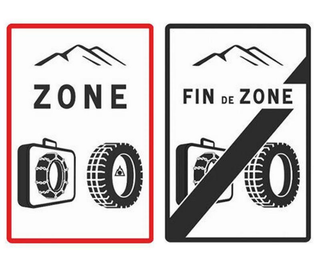
- Between 1 November and 31 March, many French mountain regions legally require winter tyres or snow chains. Look out for the “Équipements spéciaux obligatoires” signs, especially when driving to the Alps, Pyrenees, or Massif Central.
- Only 3PMSF (Three Peak Mountain Snowflake) tyres meet the latest French regulations, M+S (Mud + Snow) tyres alone are no longer sufficient.
- Check Your Battery:
- Cold weather can quickly drain a weak car battery, so have it tested before your trip.
- Top Up Winter Fluids:
- Use winter-grade windscreen washer fluid rated to at least -20°C to prevent freezing.
- Inspect Wipers and Lights:
- Replace old wipers and check that all lights work properly for maximum visibility in fog, snow, or rain.
2. Know the French Winter Driving Rules
Winter driving rules in France can vary by region, particularly in mountainous areas. Be aware of the following:
You must carry or use winter tyres, chains, or snow socks where required.
Drive slower in poor weather — icy or wet conditions increase stopping distances significantly.
Familiarise yourself with French road signs related to winter driving, especially in ski areas.
3. Pack a Winter Travel Emergency Kit
Always keep a few essentials in your vehicle, especially if driving long distances or through rural areas:
- Ice scraper and de-icer
- Warm blankets and spare clothing
- Torch and spare batteries
- Snacks and bottled water
- First-aid kit
- Portable phone charger
These items can make a big difference if you experience a delay or breakdown in cold weather.
4. Plan Your Route in Advance
Check the weather forecast and road conditions before you travel.
Websites such as Bison Futé offer live updates on French traffic conditions. Avoid smaller mountain roads during heavy snowfall, major motorways (autoroutes) are usually cleared and gritted regularly.
5. Adjust Your Driving Style for Winter Roads
Driving safely on snow or ice requires patience and control:
- Reduce your speed to maintain better control
- Increase the distance between vehicles
- Avoid sudden acceleration or braking
- Use lower gears on descents to prevent brake wear
Smooth, steady driving helps maintain traction and reduces skidding risk.
6. What to Do in a Winter Emergency
If you get stuck or experience a breakdown:
- Stay Visible: Turn on your hazard lights and place your reflective warning triangle.
- Stay Warm: Run the engine intermittently for heat but ensure the exhaust pipe is not blocked by snow.
- Call for Help: Dial 112 for emergency assistance in France.
7. Use an Emovis Tag for Easier Winter Travel
If you’re travelling by car through France this winter, consider using an Emovis Tag.
This electronic toll tag allows UK drivers to breeze through Télépéage (automatic toll lanes) without stopping, ideal during winter conditions or peak ski season traffic.
It saves time at toll booths, keeps you warm in the car, and makes long-distance travel across France far more convenient.
Final Thoughts
Winter driving in France can be a magical experience when you’re prepared. From snowy mountain passes to festive city lights, a well-planned journey ensures safety and enjoyment every step of the way.
Stay safe, drive smart, and enjoy the beauty of France this winter with the convenience of your Emovis Tag.